
Are US Index Funds Still Safe Amid War & Dedollarization?

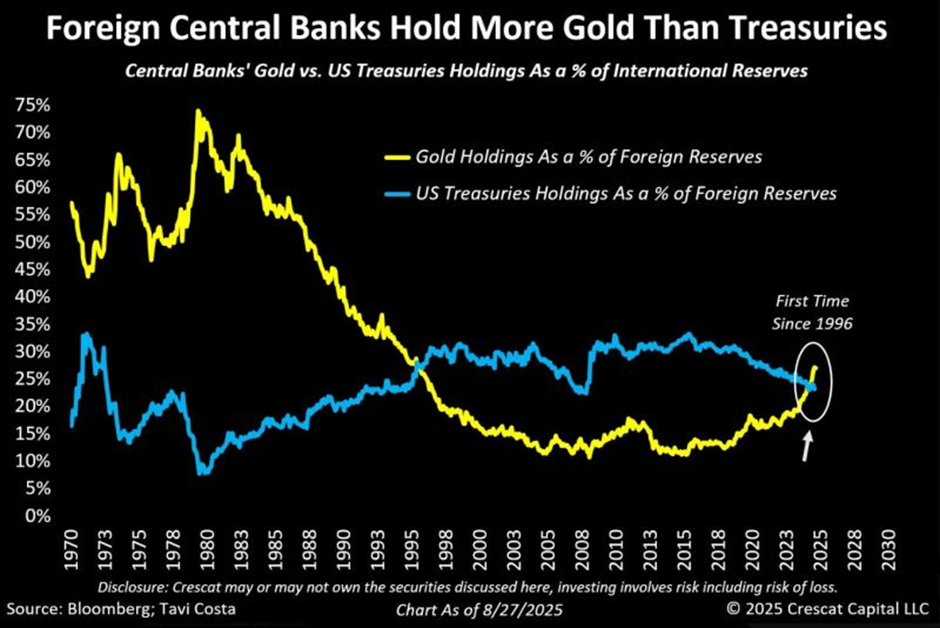
With the recent outbreak of the US-Iran war and the ongoing global tariff wars, it is hard not to feel a bit paranoid about our portfolios. Countries are mass dumping their USD reserves, and gold is hitting new highs.
A lot of you have been asking if it is still wise to blindly invest in US heavy index funds like the S&P 500. Are there better options out there? Is the China CSI300 a good play for capital growth?
Without wasting your time, I will start with the conclusion: I am personally not selling off my US positions, yet.
The short answer is that nobody knows exactly how this will play out. But after spending some time digging into the numbers and running through the alternatives, here is why I am reluctantly sticking with the US market.
Why China Isn’t the Perfect Alternative
When you see the US struggling, the logical next step is to look at the second global superpower. I spent some time considering index funds focused on China.
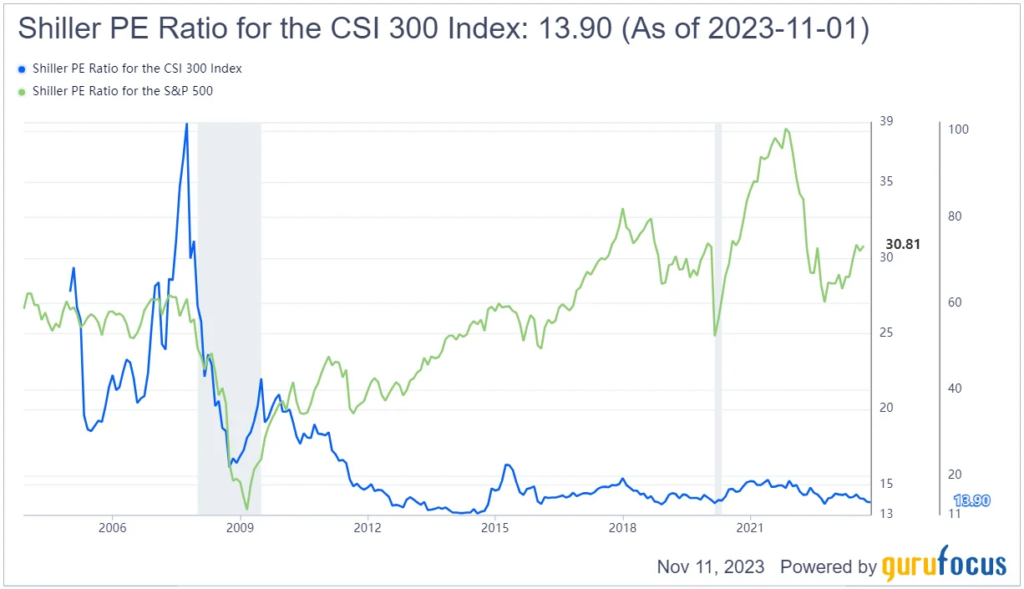
Right off the bat, Chinese stocks look incredibly cheap. The S&P 500 is currently trading at a Price-to-Earnings (P/E) ratio of around 28x, while China’s CSI300 is hovering near 12x. On paper, it looks like a massive bargain.
But from what I found, that discount exists for a reason: China embraces a very limited version of capitalism.
Their system fundamentally encourages people to work and create value, but it actively limits what capitalists can extract simply by investing. Because their government protects social welfare over corporate profits, any massive capitalist upside directly conflicts with their social goals.
Compare that to the US. The US uses lobbyists, tariffs, and patents to basically protect capitalism at all costs.
Take the pharmaceutical industry as an example. Medicine like an insulin injector is incredibly cheap to produce. It maybe costs a few Ringgit to make. But because of policies passed by Congress, these companies get to sell life saving products at insane profit margins.
Morals aside, this ruthless extraction is exactly why the US system favors capital growth. The system is rigged for the shareholder.
Where I Am Parking My Money Right Now
Honestly, despite the macro economic fears, most of my fresh capital is still going into the US market.
Personally, I am running some options strategies on the side to manage my own risk. But if I wasn’t doing that, I would likely just dump my cash straight into a global index fund like the MSCI World (SWRD) or FTSE All-World (VWRA).
But let’s look at the actual math. Even if you buy a global index fund like SWRD, roughly 70% of that fund is still allocated to US equities.
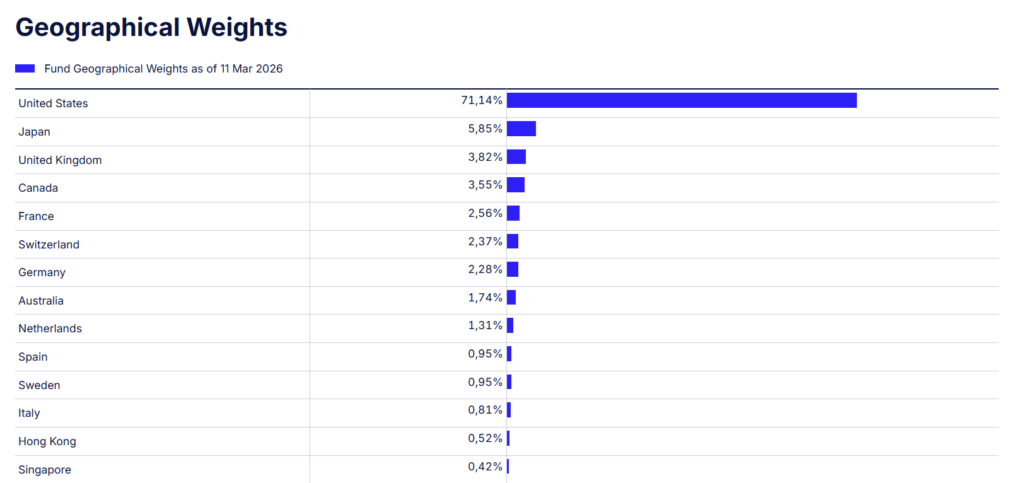
You aren’t really escaping the US market. You are just diluting it slightly. I am staying in the US not because I have overwhelming confidence in their government, but because there is a severe lack of viable alternatives.
If you decide to pause your DCA and hold RM100,000 in cash instead, you are taking on a different kind of risk. With real world inflation floating around 3% to 5%, sitting on that cash means you are bleeding RM3,000 to RM5,000 a year in purchasing power. That is an opportunity cost I am not willing to pay.
Final Thoughts: The Dedollarization Thesis
So, what happens if the US hegemon actually collapses?
If that day comes, the first thing we will likely see is mass dedollarization. The US Dollar index (DXY) will crash, the value of the USD will plummet, and inflation will go through the roof.
But ironically, in that doomsday scenario, I still think stocks will be the least impacted asset class.
Here is why: a share of a company like Microsoft or Apple isn’t just a stack of US dollars. It is a claim on physical assets, global software subscriptions, and intellectual property. If the USD loses 20% of its purchasing power, these companies will simply raise their prices by 20%.
History shows us that whenever things break, governments print money to bail out the system. And that printed money almost always pumps into the stock market first.
Yes, global players might dump their dollar reserves and pivot to systems like BRICS for trade. But the reality is that the entire globe is deeply entrenched in the US equity market. They cannot just plug out overnight without destroying their own wealth.
For now, I’m holding my nose and staying invested.
What about you guys, are you still holding your US funds or are you pivoting your fresh capital into something else?
Comments